
What is Forestry Challenge?
The Forestry Challenge is an academic event for high school students in technical forestry and current forestry topics.
Since its inception in 2003, the program has grown from one event to six, a complete buildout of the program in California.
Participants spend four days in the forest learning about the ecology and management of the forested landscapes that provide communities with water, recreational opportunities, wood products, and wildlife habitat. Youth benefit by better understanding the relationship of the forested environment to their community, by exposure to natural resource management as a potential career option, and by undertaking a rigorous critical thinking exercise which is timely and addresses current forestry topics such as wildfire, insects, and forest health.
OBJECTIVES
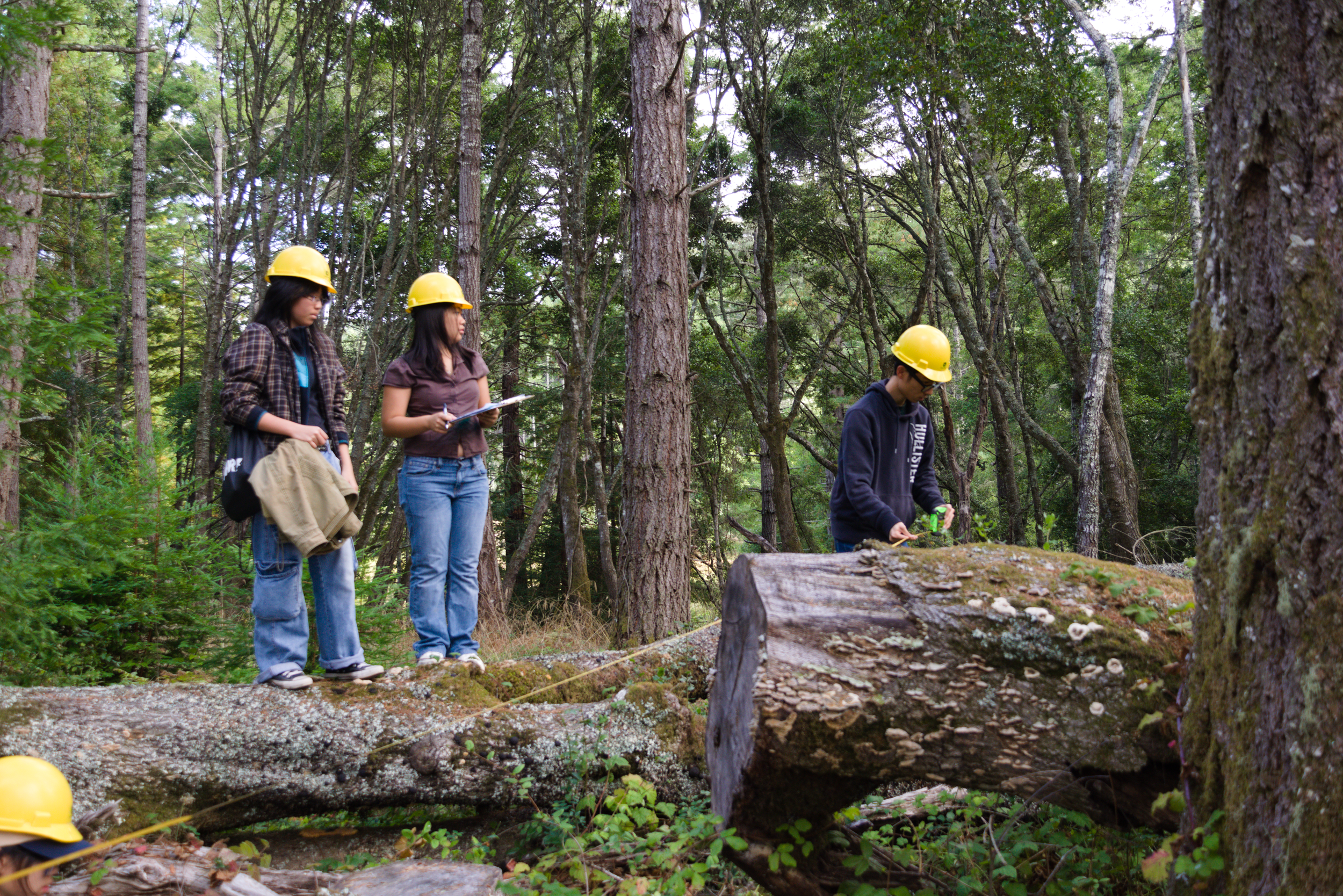
Students gain scientific knowledge and learn practical skills involved in environmental stewardship, as well as understand the complexities of balancing social, environmental, and economic values.
Students who may have never set foot in a forest environment have an increased appreciation for the woods and a desire to incorporate outdoor activities into their lives.
Students are more likely to choose a career path in natural resources and attend college.
Students participate as a team representing their school and learn important lessons of cooperation, teamwork, and public speaking.
GOALS
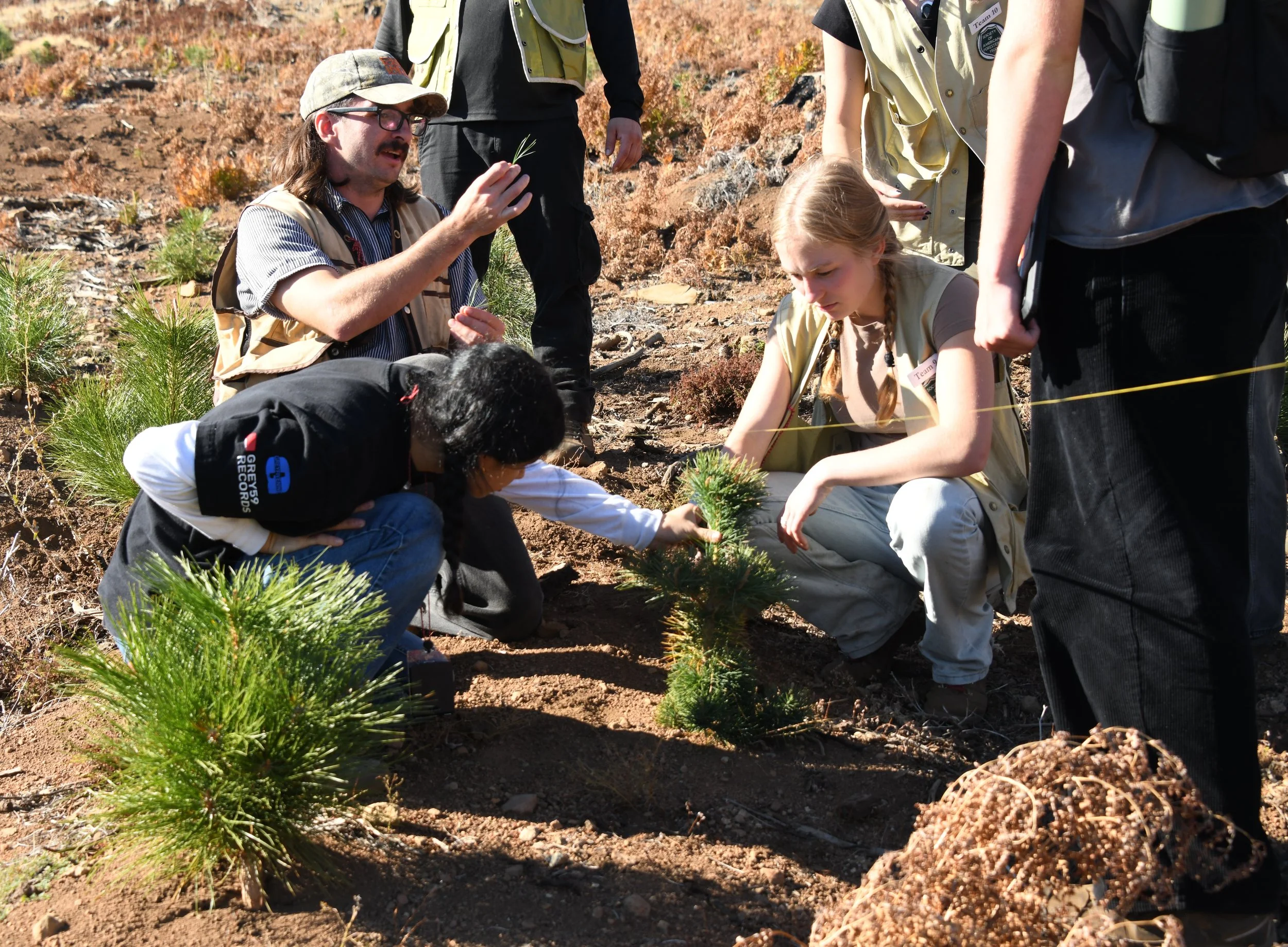
Teach students the basic principles of forestry, connecting classroom math and science to hands-on experiences with real-world applications, enabling them to make recommendations about natural resource management.
Give students the opportunity to explore careers by interacting with natural resource professionals including foresters, hydrologists, soil scientists, wildlife biologists, and fire scientists.
Provide an opportunity for a diverse student population to experience outdoor recreation and develop an appreciation for the forest and its benefits to us all. Extracurricular activities can include a night hike in the woods with a biologist, zip line, ride on a narrow gauge railroad, and evening campfire.
HIGHLIGHTS
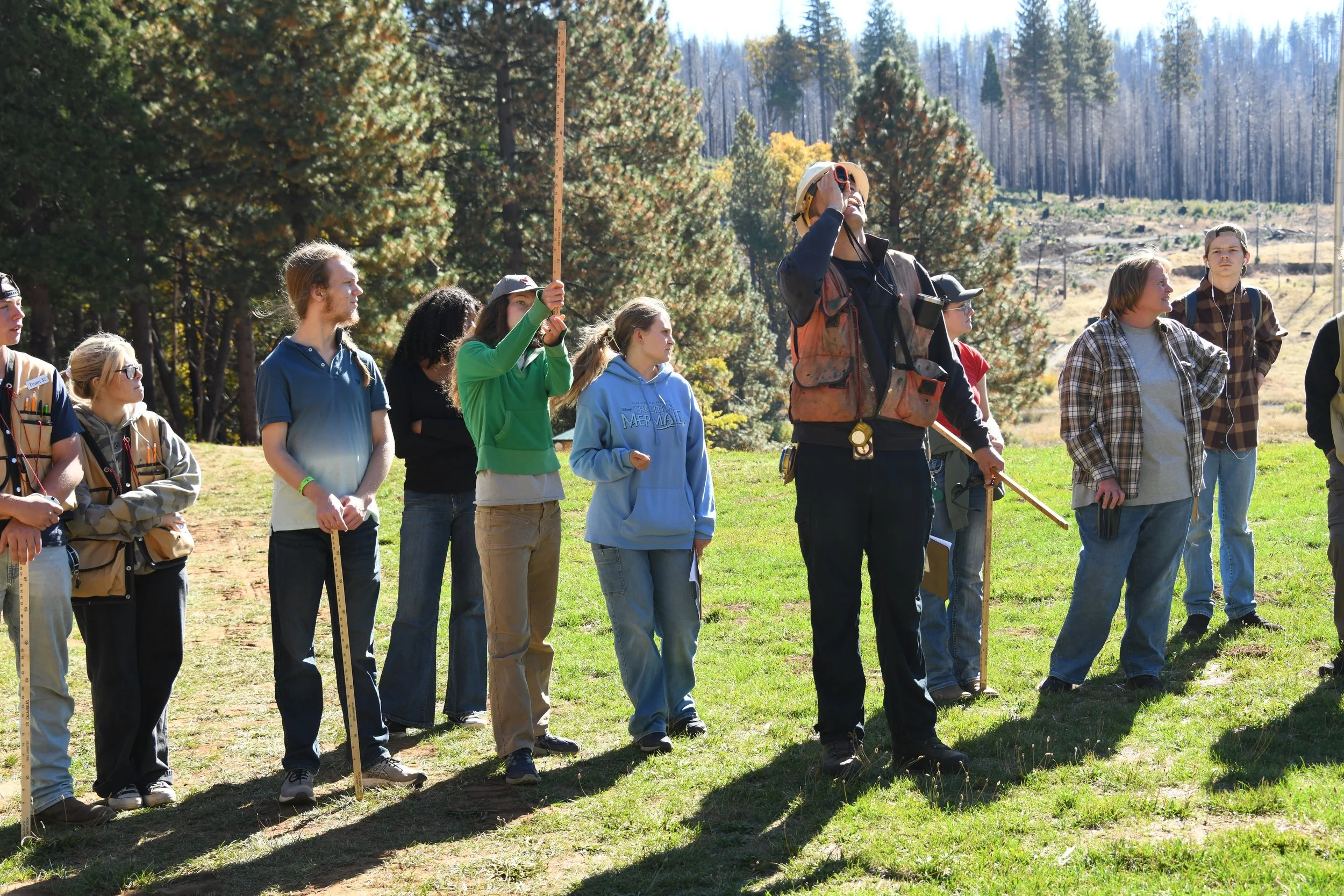
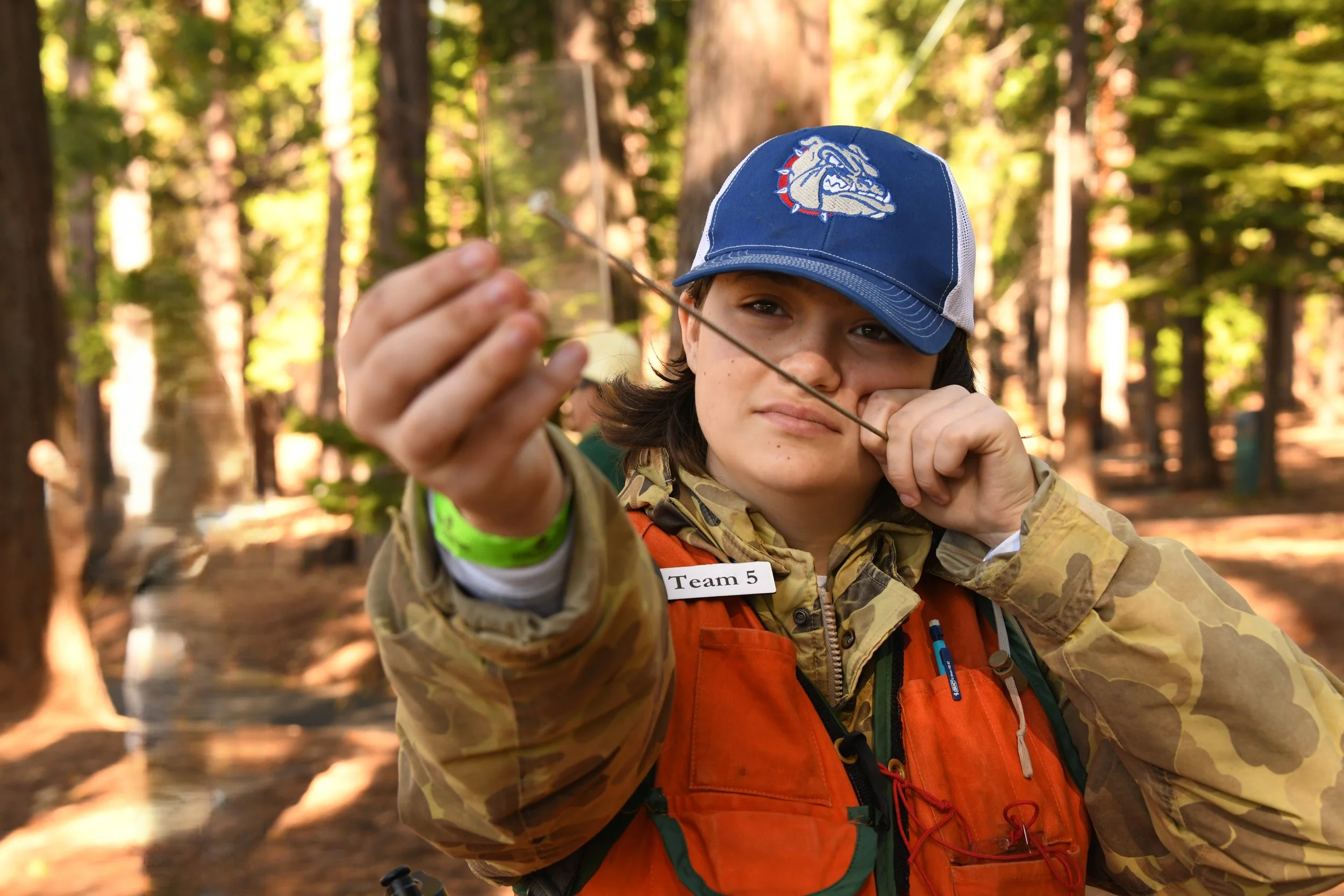
Field Training: Forestry professionals spend time with the students familiarizing them with common tree species, forestry tools, and the use of identification keys. This training serves as a review of the “learning objectives” and associated resources available on the website.
Field Test: Working as a 3 to 5-person team, students complete a comprehensive field test, which includes identifying and measuring trees, analyzing stand data, and making forest management decisions. The scores from the testing stations are combined and become 60% of the team’s final score.
Focus Topic Fieldtrip: Students are presented with a current focus topic and visit the site of a case study to ask questions and collect data. They use the information they collect to weigh in on the topic, often influencing the decisions made about managing the forest in the future. Focus topics included community wildfire protection, even-aged plantation management, and forest inventory.
Presentation: Guided by two consultation sessions with a Registered Professional Forester, students use all available information to put together a 15-minute presentation. A panel of three or more judges scores the presentation, which is worth 40% of the final event score. Top teams have given these presentations to the CA Board of Forestry, the CA Licensed Foresters Association, and the Forest Landowners of CA.
What happens at Forestry Challenge?
Here are some highlights of the four-day Forestry Challenge schedule.
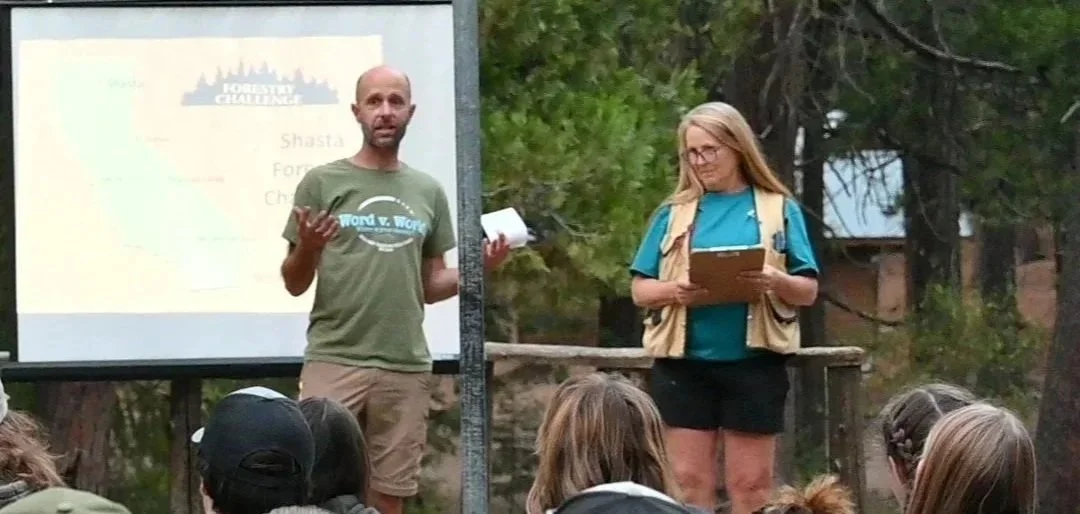
Registration: When you arrive, you will turn in your release forms, sign the photo matte your school will take home, and pick up your t-shirt.
Evening Assembly: We gather to introduce everyone, go over the ground rules and safety info, and introduce our core curriculum,
the Focus Topic.
Evening Activity: After the opening lecture, there is a social activity, depending, depending on our host facility. This often includes a night hike, a camp fire, light up frisbee, and other fun camp activities for you and your students.
Day 1
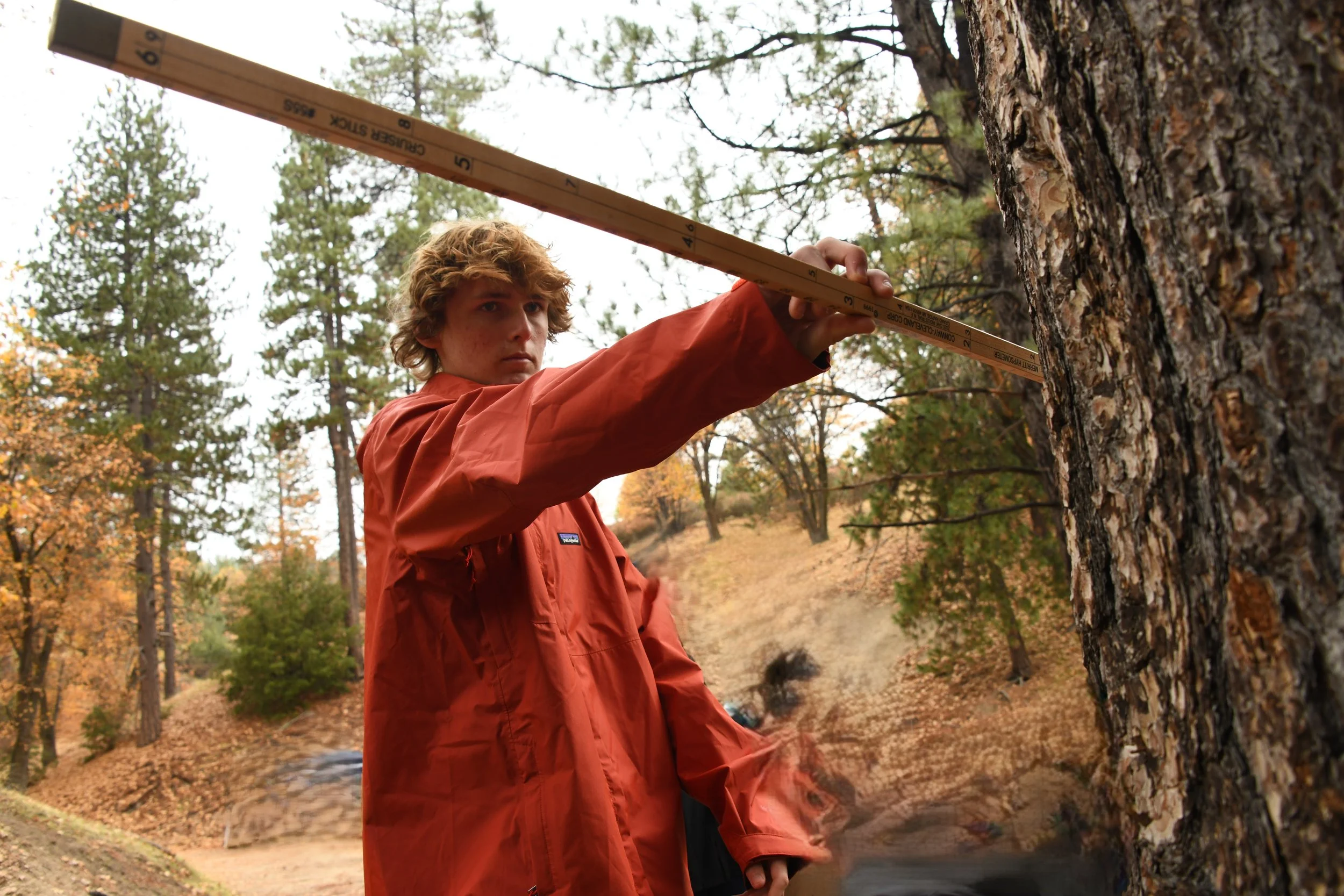
Morning Training: With your training worksheet in hand, you will rotate to various stations to learn how to use forestry tools from the experts.
Afternoon Field trip: You will spend the afternoon out in the field, visiting the Focus Topic Case Study site, collecting data, and exploring the area.
Evening Presentation Prep: It’s a long evening of interpreting data and coming up with a solution to the Focus Topic Question. You will have two or more appointments with an “Ask a Forester” to help you sort things out.
Day 2
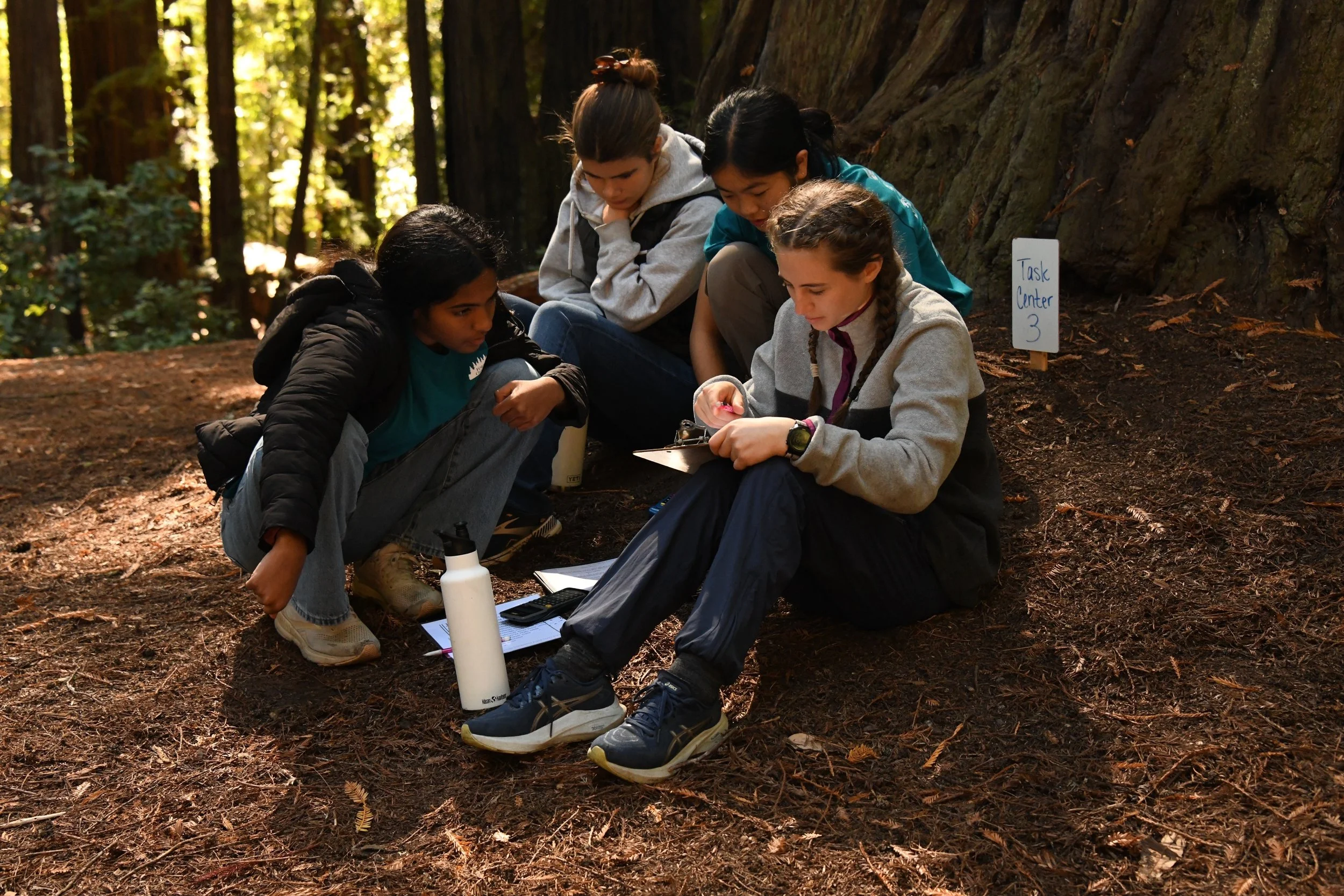
Field Testing: Once you have mastered the tools and knowledge, you and your team will work together to take the Field Test, a rigorous but rewarding experience.
Free Time: During your free time rotation, you will get a chance to recreate in the forest. Depending on the facility, activities include zip lining, ropes courses, or just hanging out, playing games like volleyball or ping pong.
Pictures and Pacing Contest: You and your school will get your pictures taken, join in for the group picture, and then participate in our pacing contest, where schools compete to see who can complete the best 1 chain (66 foot) pace. There’s a trophy on the line!
Evening Presentation Prep: There will be a few last hours to put the polish on your presentation, then turn it in.
Final Night Social Time: By this time, you will have made lots of new friends, and you’ll have a chance to hang out with them at a campfire.
Day 3
Day 4
Morning Presentations: You’ll give your presentation to a panel of judges. Don’t be nervous – your new knowledge will help you knock it out of the park!
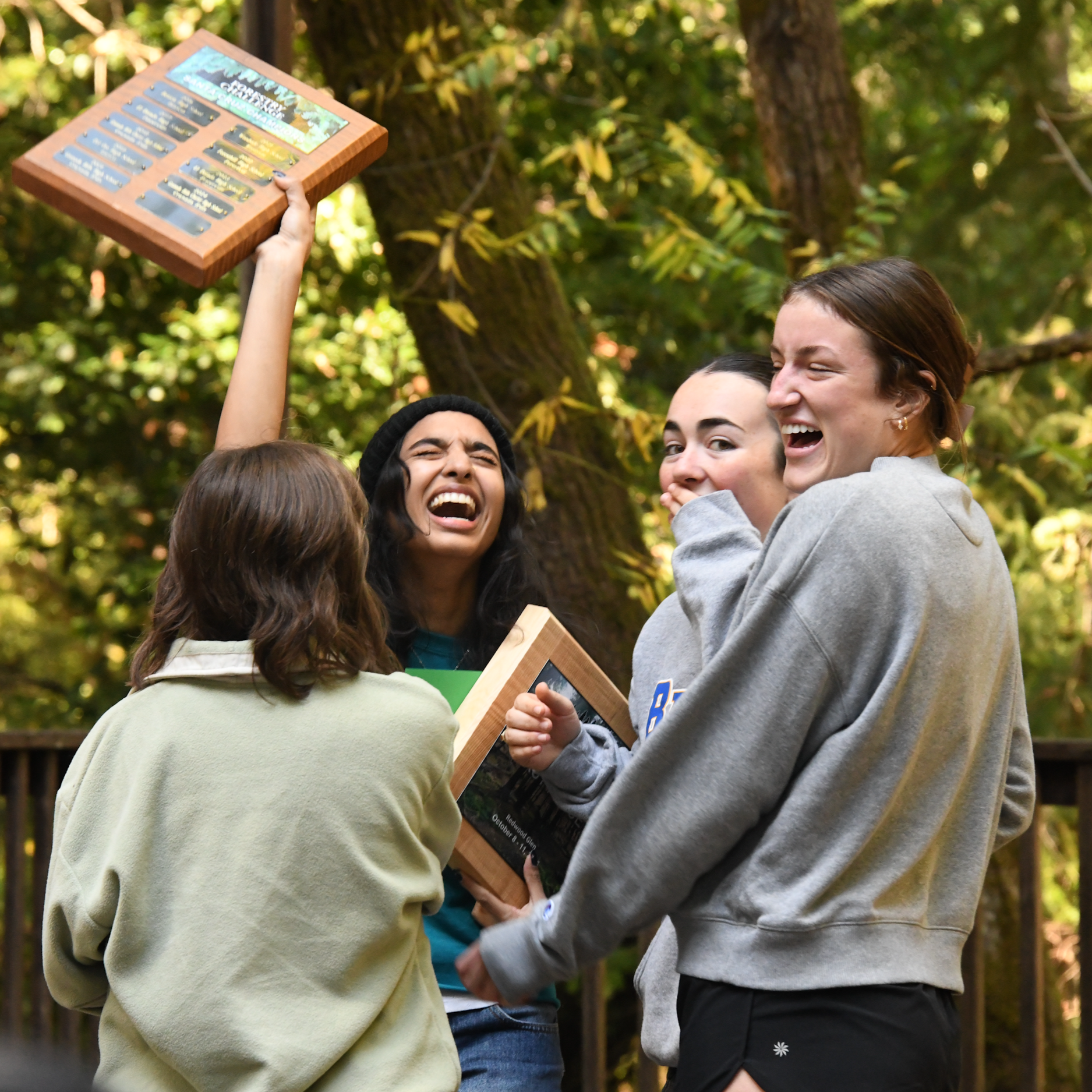
Awards: You’ll meet the judges, get your school photo to take home, and hear the event results. High fives all around!